1. Walk the grounds
For outdoor spaces, the crew walks fence lines, planters, corners and bushes where needles collect.
Marion, KY · Crittenden County
One needle usually means there could be more. In Marion, call (877) 812-4220 for a careful sweep of the property, safe collection of every sharp and cleaning of the surfaces they lay on.
If anyone is in danger, call 911 first. For a suicide crisis, call or text 988.
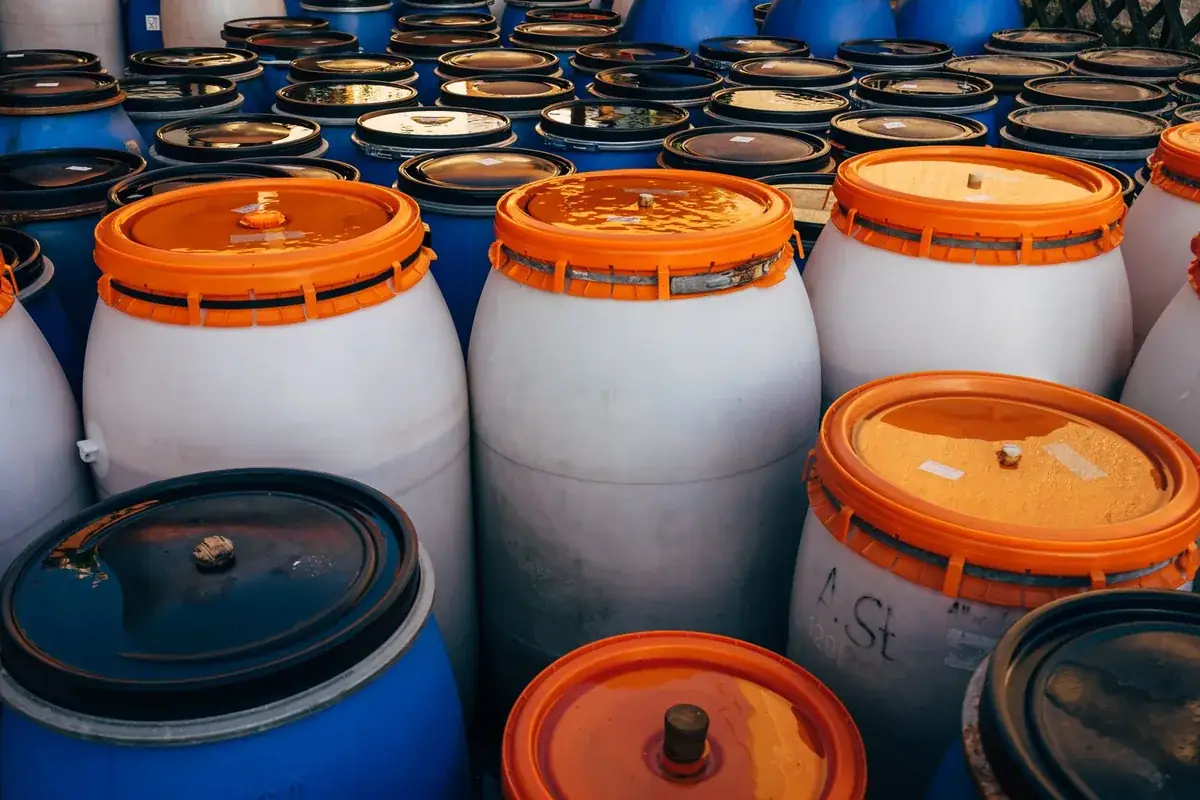
Used needle disposal means placing needles and syringes into rigid containers made to resist punctures, then sending them to a facility that treats medical waste. It keeps workers, children and pets safe.
When your rental, lot or storefront in Marion has needles on the ground, call Marion Biohazard Cleanup Help for a full sweep. Crews work quietly across Crittenden County and can arrive in an unmarked vehicle if you prefer privacy.
With a vacancy rate near 18% in Crittenden County, many owners check empty properties for sharps before repairs, sales or new tenants. A stick, cut or splash should be checked by a doctor without delay. Livingston Hospital and Healthcare Services, Inc in Salem serves people in and around Marion.
Needle & Sharps Cleanup in Marion usually includes:
For outdoor spaces, the crew walks fence lines, planters, corners and bushes where needles collect.
Long tools let the crew lift sharps without reaching. Nothing is picked up by hand.
Each needle is picked up with a tool and dropped into a rigid, puncture-resistant container, then sealed.
The area is cleaned, searched a second time and handed back to the owner.
The cost of needle & sharps cleanup in Marion, KY depends on the amount of material, how it is packed and how it is hauled.
Records and documentation for a landlord, insurer or city office can add a little time, so ask for them when you call.
| Type of job | Typical range |
|---|
Published ranges only (); every needle & sharps cleanup job in Marion is priced after an on-site look. Price drivers include number of items, where they are found, whether a sweep of a large area is needed, waste disposal. Questions? Call (877) 812-4220.
It is a rigid, puncture-resistant box with a locking lid, made to hold needles, syringes, lancets and blades. Cleanup teams use them to seal sharps for transport. Containers should not be overfilled or opened again once locked.
Loose needles should not go in household trash, because they can stab sanitation workers. Rules for small amounts of household sharps vary by city and county. The local health department can say what is allowed, and a cleanup team can take larger amounts.
The crew searches the whole area with protective gear and tools. It collects each sharp into a puncture-resistant container, cleans surfaces where sharps lay, and hauls the sealed containers away. A final walk checks that nothing was missed, and the team can provide a record.
Yes, because children may pick up what they find. Teach children to stay back from any needle and tell an adult. If a child touches or is stuck by a needle, wash the area, get medical care and call Poison Control.
No. Recapping or bending a used needle is one of the most common ways people get stuck. Leave it where it is and let a cleanup team lift it with a tool and place it in a container.
Safer options exist. Many cities and health departments have programs for found needles and may give instructions or send someone. If you are unsure, do not touch it. Leaving a needle in place and keeping others away is safer than risking a stick.
Do not pick it up. Call and let a cleanup team remove it safely.
Call (877) 812-4220